
 IN DEBT?
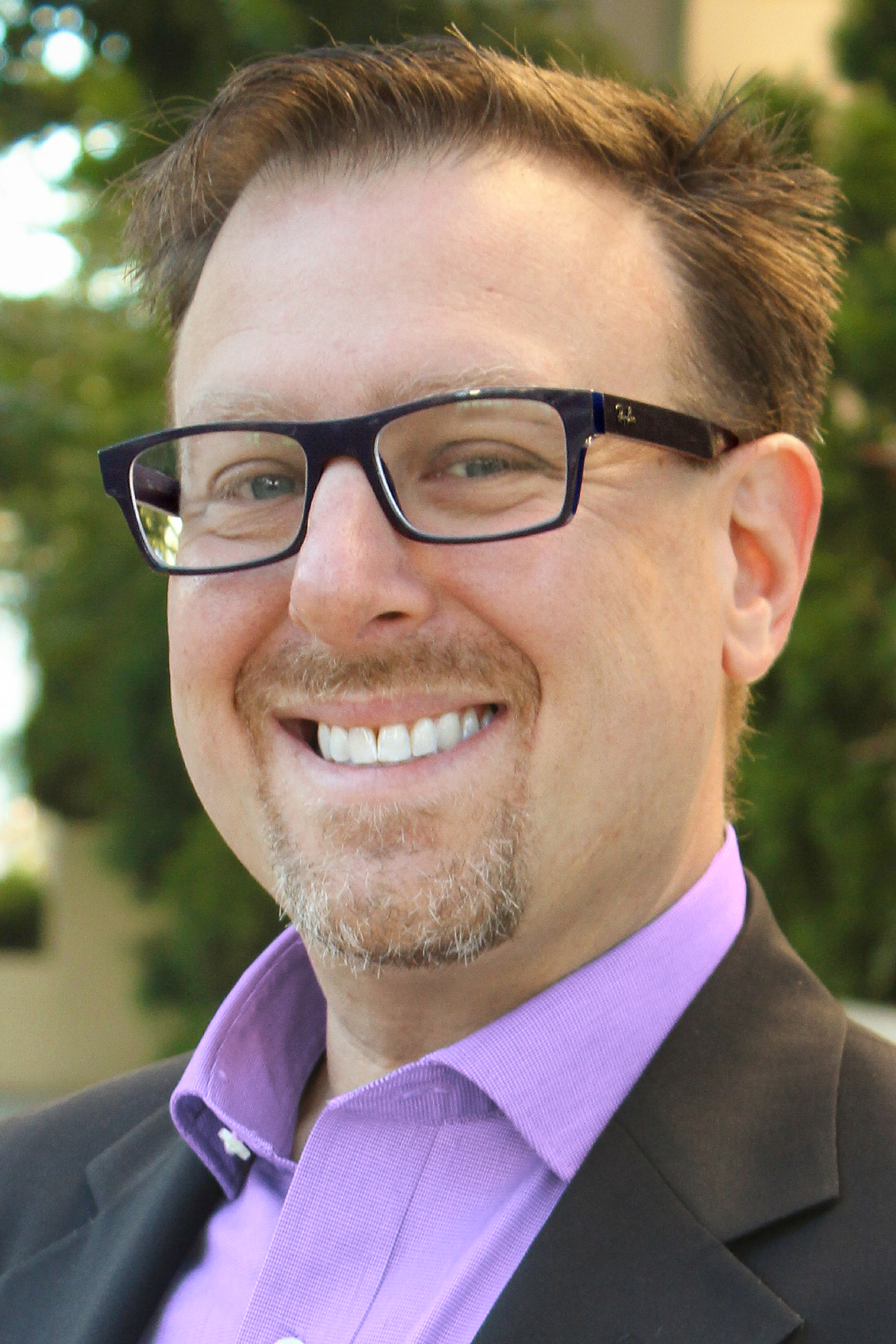
MEET JAY FLEISCHMAN
The lawyer who helps people with student loans and other debt problems.
Student loan companies, credit card issuers, debt collectors, and consumer lenders make millions by giving you false information and keeping you in fear.
It’s time for you to break free from a life of debt and take control of your future.
Student Loan Law
Student Loan Management and Planning


Bankruptcy Law
Consumer Bankruptcy
Consumer Protection Law
Debt Collection Defense

Let’s solve your debt problems
We’ll protect your financial future from student loan companies, credit card issuers, mortgage lenders, and debt collectors.
Student Loan Law
Find the best way to manage your payments, qualify for forgiveness, and achieve your financial goals.
Bankruptcy
Get out of debt, protect your property, and rebuild your credit.
Debt Collection Defense
Protect yourself from debt collectors and fight back against illegal harassment.
Credit Reporting
Enforce your legal rights to an accurate credit report that’s free from errors.
As seen in




Articles and updates
Latest news and information




Get in touch
“He will save you time and money!”
Jay was both knowledgeable and friendly during our Zoom meeting. He did an excellent job of assessing my current situation and giving me a breakdown on my options and how to implement them. I highly recommend him for anyone who needs a clear understanding of how to deal with student loans. He will save you time and money!
Misty Roads (from Google)